
Gallstones: what they are and why they form
Gallstones are common and often silent until they cause obstruction or inflammation.
What are gallstones?
Gallstones are solid particles that form in the gallbladder when bile becomes imbalanced (for example, too much cholesterol) or when the gallbladder does not empty well.
Types of stones
- Cholesterol stones (most common): linked to metabolic risk factors.
- Pigment stones: associated with haemolysis, liver disease, or infection.
Why stones cause pain
Pain often occurs when a stone blocks the cystic duct and the gallbladder contracts against the obstruction. If the obstruction persists, inflammation and infection can follow.
Risk factors
Common factors
- Female sex, pregnancy
- Age (risk increases with age)
- Obesity, metabolic syndrome, diabetes
- Rapid weight loss or prolonged fasting
- Family history / genetics
Other contributors
- High‑fat/low‑fibre diet
- Oestrogen therapy
- Total parenteral nutrition (TPN)
- Liver disease
- Haemolytic disorders
Example images (de-identified, illustrative)
These are examples from a real case. They are included for education only and are not for diagnostic use.
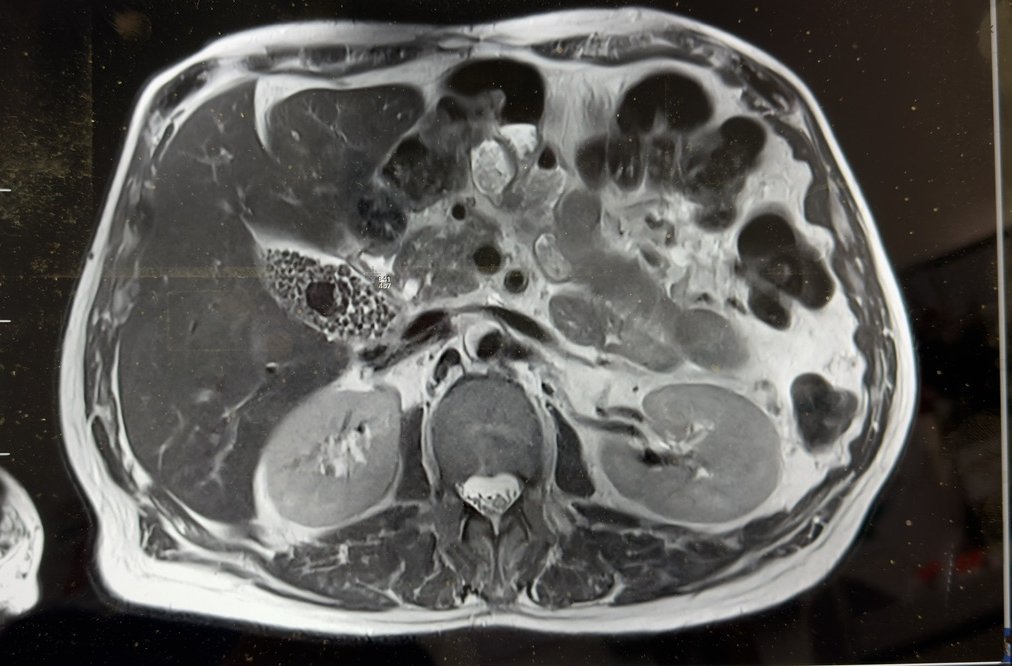
MRI (axial): gallbladder packed with multiple stones, including one larger stone.
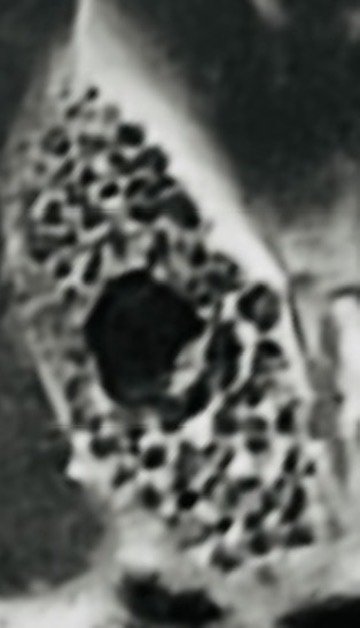
Close-up: multiple stones (“gravel”) surrounding a larger stone.
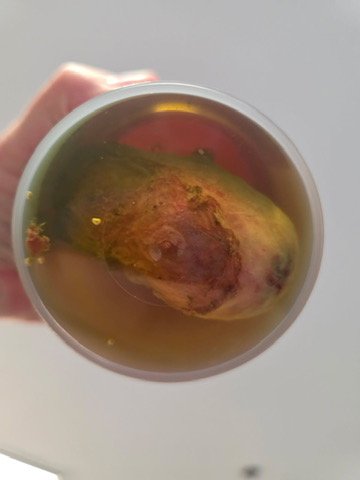
Specimen: gallbladder after removal (gross appearance varies).
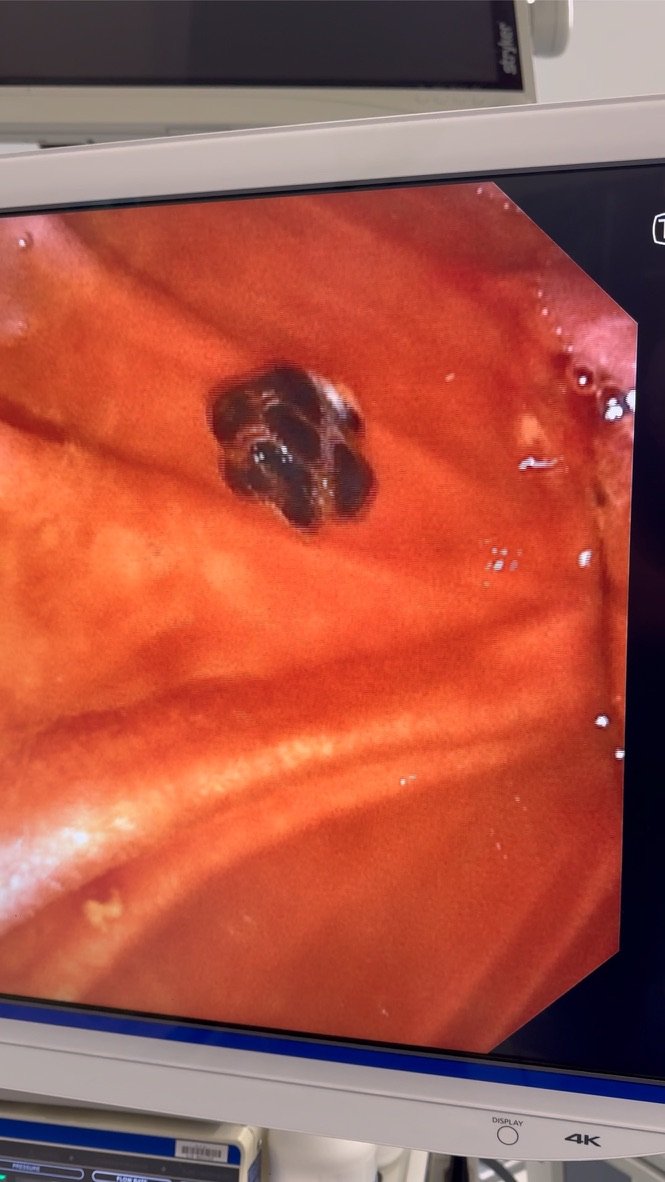
Laparoscopy: stones seen during surgery (appearance varies by case).
How to use these images
- For patient understanding, not self-diagnosis.
- If you have symptoms, rely on clinical assessment and formal radiology reports.
- If you use images publicly, ensure they are fully de-identified and consent-safe.
Once symptoms start, recurrence is common
Many people have repeated attacks. The main reason surgeons recommend cholecystectomy is to prevent recurrence and reduce the risk of serious complications (pancreatitis, infection, sepsis).